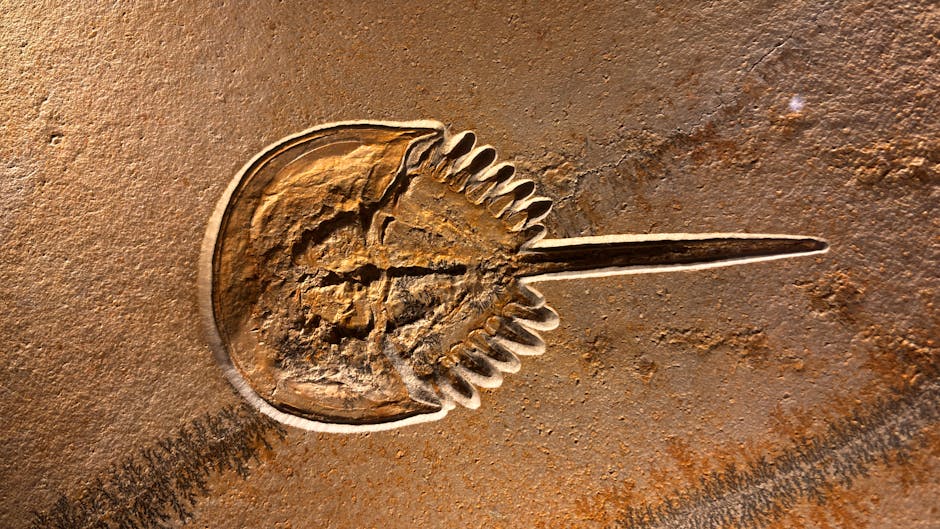
The summit of Mount Everest, often envisioned as a barren and inhospitable landscape, is actually composed of limestone rocks that originated from an ancient ocean floor. This surprising geological history has been unveiled through recent research.
Fossils of various marine organisms, including trilobites, sea lilies, and tiny crustaceans, have been found in samples collected just six meters below the summit. These findings provide compelling evidence of the region's aquatic past.
This discovery not only enhances our understanding of Mount Everest's geological formation but also challenges the conventional image of the mountain as a purely terrestrial environment. It highlights the dynamic nature of Earth's surface over millions of years.